
大都会
US transshipment claims attempt to build ‘higher fence,’ disrupt global supply chains: experts_我的网站

一 | 日정부 전략기업 해외 매각 막는 추세 속 역할 주목
[일본 국가안전보장국 간판 거는 아베 총리 (교도=연합뉴스)]
일본 정부가 전략 기술을 가진 자국 기업이 해외에 넘어가는 것을 사전 차단하는 조치를 강화하는 흐름에 아베 신조 정권 당시 국가안전보장국 수장이었던 인물이 일본 경제안보 특화 펀드 설립에 나서 관심이 모아집니다.니혼게이자이신문(닛케이)에 따르면 기타무라 시게루 전 일본 국가안전보장국장이 기업들로부터 최대 300억엔(약 2천600억원)을 유치해 펀드를 만들고 인공지능(AI), 방위, 사이버 보안 등 전략 분야의 일본 신생 기업의 투자에 나설 계획입니다.펀드 최고경영자(CEO)는 기타무라 전 국장이 맡고 최고투자책임자(CIO)는 자산 관리 분야 종사자 출신을 앉혀 내년 이후 최대 60여개 신생 기업에 본격적인 투자를 시작할 계획으로 알려졌습니다.기타무라 전 국장은 "투자 대상의 재무나 기술뿐만 아니라 경제 안보상의 리스크와 정책 환경까지 평가하는 '경제안보 실사'가 새 펀드의 강점"이라고 말했습니다.그는 2019년 제4차 아베 내각 개편 때 외교·안보 사령탑인 국가안전보장국장 겸 내각 특별고문으로 취임해 2021년까지 재임했습니다.일본에서는 드물게 경찰 출신 국가안보 수장으로 주목받았고 국가안전보장국 내에 경제반을 신설해 경제안보 정책을 추진했습니다.요미우리신문이 아베 전 총리가 총격에 사망한 뒤 생전 인터뷰를 정리한 책인 '아베 신조 회고록'을 낼 때 감수를 맡을 정도로 아베 내각 막후에 대한 이해가 깊은 인물로 알려져 있습니다.일본 정부는 전략 분야 기술을 보유한 기업이 외국 자본에 매각되는 것을 막는 정책을 추진하는 중입니다.일본 국회도 지난 5월 외국 자본의 일본 기업 매수 심사를 강화하는 내용을 골자로 한 외환법 개정안을 통과시켰는데, 전략기술 보유 기업의 해외 매각 과정에서 민감 기술정보 유출 가능성을 사전에 엄격히 가려낸다는 취지의 법안입니다.일본 정부는 향후 미국의 외국인투자심의위원회(CFIUS)와 같은 전략기술 기업의 매각 심사 전담 기구도 마련할 방침입니다. 당신의 제보가 뉴스로 만들어집니다.SBS Biz는 여러분의 제보를 기다리고 있습니다.홈페이지 = https://url.kr/9pghjn。
二 |
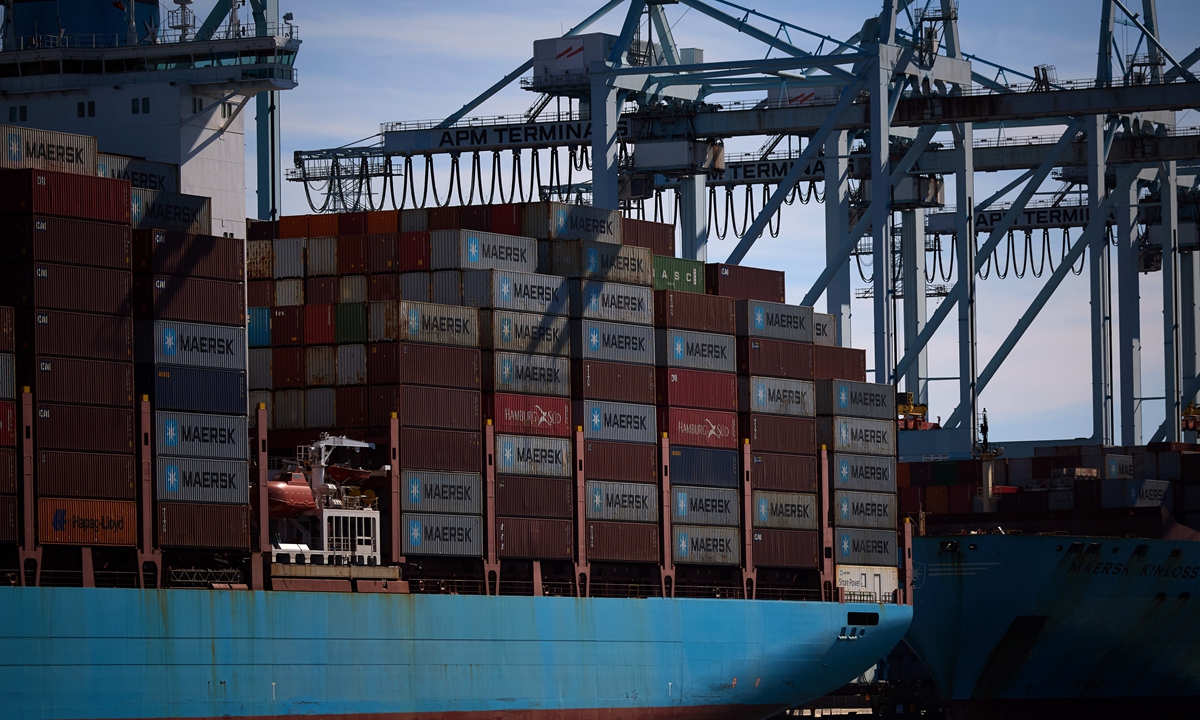
When even major US allies and trading partners are swept into Washington's alleged China-linked transshipment network, is the US still cracking down on its so-called illegal tariff evasion, or is it raising its "small yard, high fence" higher and tighten it further by wielding its tariff stick and extending tariff controls across normal global supply chains?
The White House on Thursday released a report identifying roughly 40 economies as participants in what it calls a "Shadow Transshipment Network", alleging that Chinese goods are being routed through third countries to evade higher US tariffs. The list stretches across Asia, Europe and the Americas and includes some of Washington's closest allies and largest trading partners.
Chinese experts said the report is partly aimed at defending Washington's tariff policy by shifting responsibility for its weakened impact onto other economies, while also pressuring them to follow US trade and origin rules. In effect, the US is trying to extend its unilateral trade restrictions beyond its own borders and deeper into global supply chains, they said.
Build 'higher fence'
The 25-page report claims that US import sourcing saw a "substantial reallocation" after the 2018 tariffs, as China's direct share declined and imports from identified transshipment economies rose. It alleges that some goods were routed through lower-tariff jurisdictions, where minor processing, relabeling, repackaging, re-invoicing or paperwork changes were used to create the appearance of a new national origin.
However, the report itself acknowledges that alleged transshipment risks in several major economies are "embedded within broad legitimate trade flows." It also admitted that the post-2018 shift in US imports "does not establish" that all displaced Chinese trade was illegally transshipped and partly reflected "legitimate changes in production, investment, and sourcing."
False declarations of origin or simple repackaging can amount to tariff circumvention, but investing overseas, building factories abroad or sourcing components across borders are legitimate forms of supply-chain adjustment, experts said.
One purpose of the report is to portray Washington's tariff policy as effective while attributing its diminished impact to the responses of other economies, Zhou Mi, a researcher at the Chinese Academy of International Trade and Economic Cooperation, told the Global Times.
This allows Washington to shift responsibility onto other economies and put itself in a more favorable position in shaping the narrative around its tariff policy, Zhou said.
Cui Fan, a professor at the University of International Business and Economics, told the Global Times that US rules for determining country of origin are not fully aligned with those used by other economies. The latest move could pressure other countries to adopt US standards, but Cui said such an approach is unlikely to work.
"Countries formulate their rules of origin based on a range of factors, including the scale and technological conditions of their own industries," Cui said. "Industrial structures and the global division of labor cannot be reshaped simply through pressure from one country."
Harmonization of rules of origin - applying the same rules across countries regardless of purpose - "would facilitate the flow of international trade," according to WTO on its website.
It has also warned that misuse of such rules may turn them into "a trade policy instrument" rather than merely a device supporting other trade policy measures, according to WTO.
Washington was pursuing hegemonic politics and unilateral bullying in the economic and trade sphere under the guise of "reciprocity", a spokesperson for China's Ministry of Commerce said when commenting on the US use of tariffs to pressure other countries into restricting economic and trade cooperation with China.
Disrupting global supply chains
Cui said production and trade networks linking China with South Korea, Europe and other economies have taken shape over years of market-driven specialization. By lowering production and logistics costs and improving efficiency, these networks have benefited businesses and consumers across participating economies.
"The real challenge facing global trade today is not so-called illegal transshipment, but the continued damage that unilateralism and trade protectionism are inflicting on the multilateral trading system," Cui added.
Since returning to office, the Trump administration has made tariffs a centerpiece of its trade policy, rolling out sweeping "reciprocal tariffs" and other broad duties that have drawn widespread criticism at home and abroad. On Thursday, Washington announced new Section 232 tariffs on drones and their parts and components, further expanding the range of products subject to US tariffs.
US tariffs have themselves pushed companies to reconfigure supply chains. Washington is now citing those very adjustments as evidence of circumvention, effectively using the market fallout from its own tariff policy to justify further trade restrictions, Chinese experts noted.
International trade is based on mutual benefit, and sovereign countries have the legitimate right to conduct economic and trade cooperation independently, Cui said. "No country should interfere with normal global trade simply to advance its own unilateral interests."
The report broadens its scrutiny beyond routing and documentation to include China-origin inputs or components, Chinese ownership or financing, relationships with Chinese suppliers or manufacturers, China-based production steps and China-origin routing histories.
Analysts believed the latest move is more than simply making the existing "high fence" higher. By trying to bring more economies and a larger portion of global supply chains within the reach of US tariff enforcement, Washington attempted to make the "yard" itself much bigger.
Cui warned that sustained US pressure to reshape normal trade and supply-chain links could fragment mature regional production networks, and reduce the efficiency of global resource allocation, with the impact extending far beyond China-US trade given the wide range of economies named in the report.
Zhou noted that companies would be forced to redesign supply chains to manage rising policy risks, adding costs that could feed back into the US through higher inflation while creating broader frictions and instability for global trade.
。
Current article:http://j7o.pisezuibanzoukou.cyou/w6u/20260826/4256.html
Published on:13:43:54
最新文章
- स्टाइल के साथ-साथ पर्यावरण के लिए भी अच्छे हैं टोट बैग, कई वजहों से युवाओं की बन रहे हैं पहली पसंद
- 泉州白濑水利枢纽剑斗互通连接线工程关键节点完成
- 四档宝箱免费送!《无忧》海量资源到手,养成资源不用愁!
- 2026精选:河北省售检票系统服务商怎么选?实力解析与推荐
- 【“翼”团队】暖心帮扶促交流、携手共育同前行——航空一幼邀请西安市第二保育院“名校+”教育联合体入园开展交流指导活动
- 好房子、百姓园林、一刻钟生活圈……山东12部门联合推动小城镇创新提升行动再深化
- Chinese discovery confirms Darwin's prediction on carnivorous plants
- 双子姉妹を同じ角度で撮って交互に見ると…… コピペ級のそっくりな姿が500万再生「2人とも美しすぎる」「遺伝子すごい」【海外】
- 《天堂》开发商二次元新作!《阿索拉:星之祈愿》开启测试玩家招募
- 皇马今日训练情况:姆巴佩和门迪继续进行个人训练
标签云
热门文章
- 河北新乐一越野车在河道越野时遇险,目击者:落水者近4小时后才被捞起
- 米体:米兰对莱奥估值5000万+1000万欧寸步不让,目前局面较棘手
- 赶在苹果前!华为9月7日要首秀基于韬定律的麒麟芯片 Mate XT2、Mate 90都要搭载
- 蓝箭真空型液氧甲烷发动机完成首次全系统试车:国内推力最大
- 2026重庆责任福彩宣传周公益行走进巫山
- 小米公告:控股股东自愿承诺在未来365天内不出售公司股份
- 北特科技:上半年归母净利润6312.77万元,同比增长14.78%
- CyberLeek 再次泄露《GTA 6》实机片段,展示升级版 NPC 模拟系统
- 泰顺考察团走进滨江 跨越山海赴“文明之约”
- 全市“两优一先”风采录丨张雪:发挥作用做表率 当好致富“引路人”